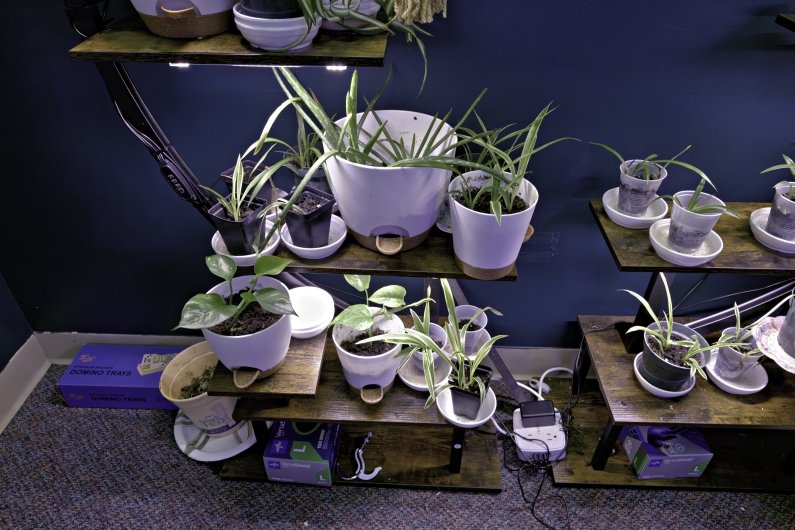
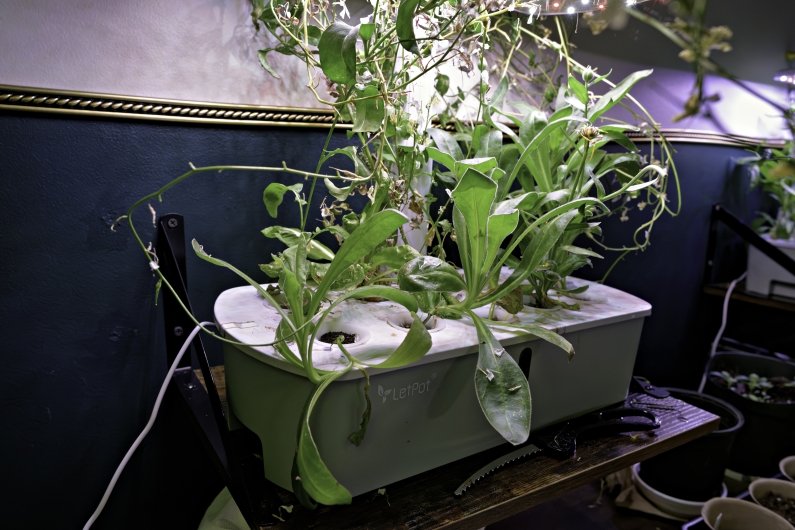
At Aging Well Inc. in Woonsocket, a new indoor garden is doing more than growing plants. El Jardín is creating opportunities for connection, learning and therapeutic activity.
Traditional gardens, while beneficial for many, can unintentionally be restrictive. That reality shaped every design decision for El Jardín, which was funded in part through a 2025 Sherlock Center Access for All Abilities Mini Grant.
“Most therapeutic programming excludes the people who need it most. Wheelchair users, people who can’t bend, and anyone dealing with New England winters can’t access outdoor gardens. We needed something that worked year-round and eliminated physical barriers,” explained Executive Director Ryan MacLeod.
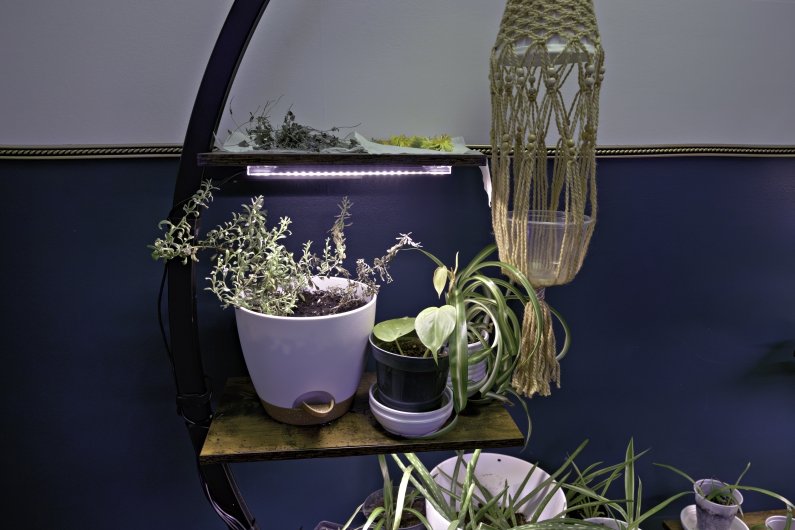
Hydroponic systems made that possible. Unlike traditional gardening, these systems grow plants in water, so they can be placed at easy-to-reach heights for those in wheelchairs or who are seated.
“No soil eliminates mess and the physical demands of traditional gardening,” he said. “LED grow lights provide consistent conditions, so plants thrive without participants needing specialized knowledge.”
The space was intentionally laid out to be as welcoming as possible for all, with wide pathways, seating, and signs in English and Spanish.
“For people with cognitive impairments, the tasks are simple and repeatable: planting, watering, harvesting. For people managing chronic pain or fatigue, participation can be brief or extended with no requirements. The systems are forgiving, which removes performance anxiety.”
The garden also responded to a clear gap – programming that reflected the city’s diversity and engaged those who had been left out.
“Spanish-speaking seniors are over 25 percent of Woonsocket but had essentially no access to senior center programming that reflected their language or culture,” said MacLeod. “At the same time, we had people with disabilities, mobility limitations, chronic pain and cognitive decline who needed therapeutic activities but couldn’t participate in outdoor gardening or traditional fitness classes.”
The initiative grew alongside the launch of La Placita, the center’s Spanish-speaking program area. Aging Well board member Valerie Gonzalez, who also serves on the Woonsocket City Council, helped develop the concept.
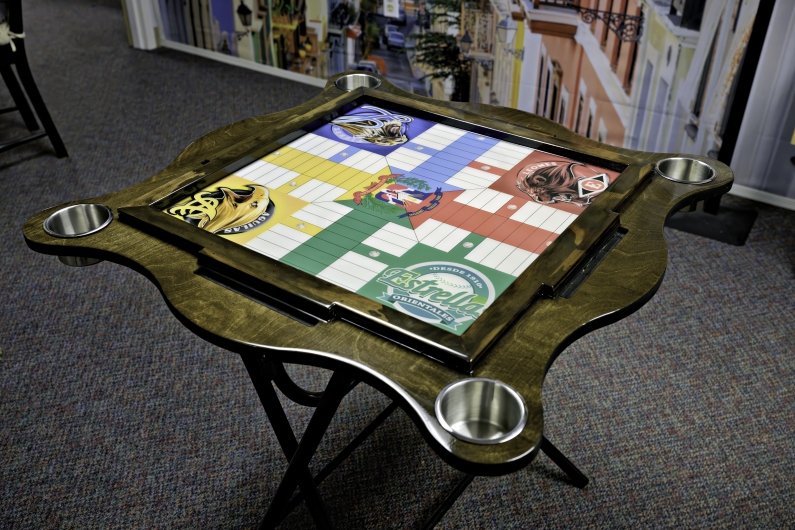
Gonzalez showed off the space, which includes an area with tables for playing dominos, parcheesi and other games, a farmacia with over-the-counter health supplies, and a bodega with food and household supplies, all donated.
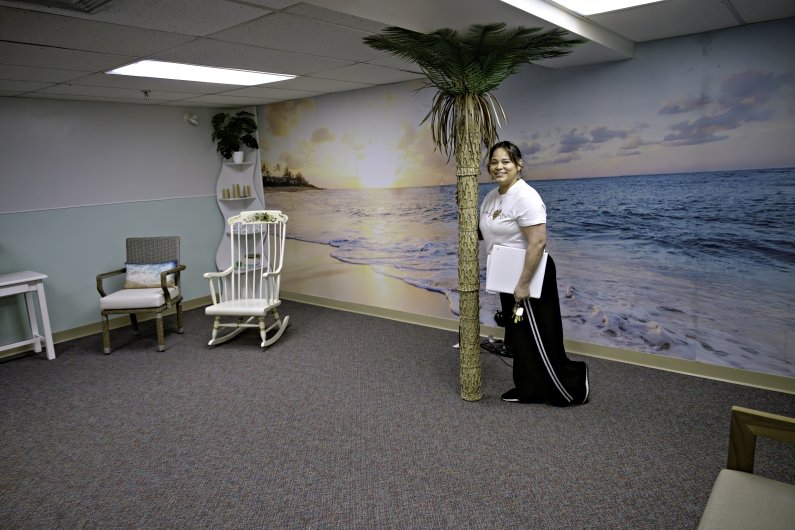
A theater space hosts movies, karaoke and a new choir so popular they want to add a second rehearsal day. A beach-themed space is available for meditation and quiet reflection, and a room with a mirrored wall is ready for dancing.
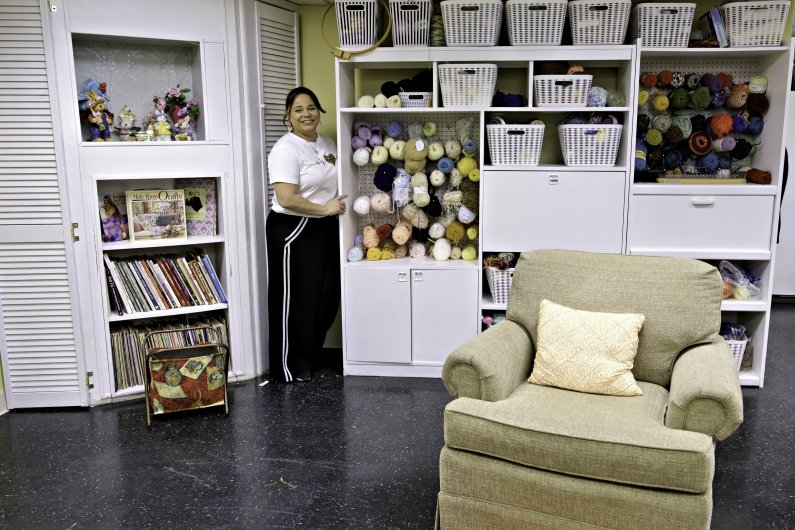
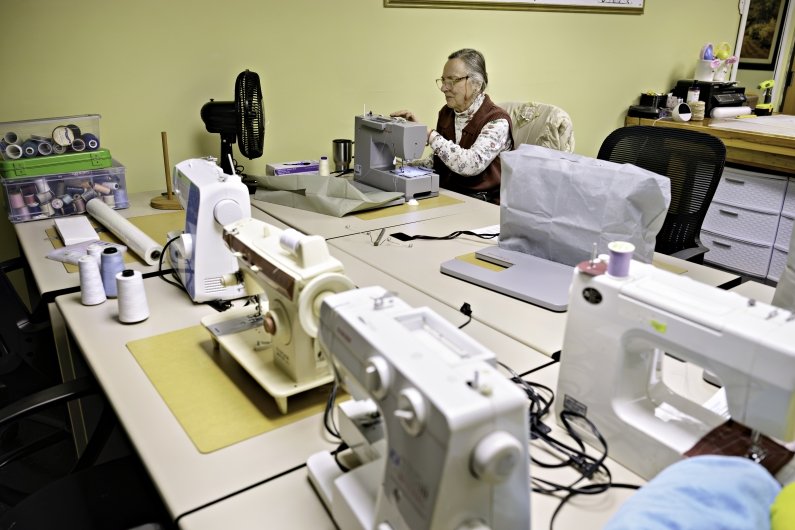
There’s also a bright, organized space for crafting that the Access for All Abilities Mini Grant helped fund.
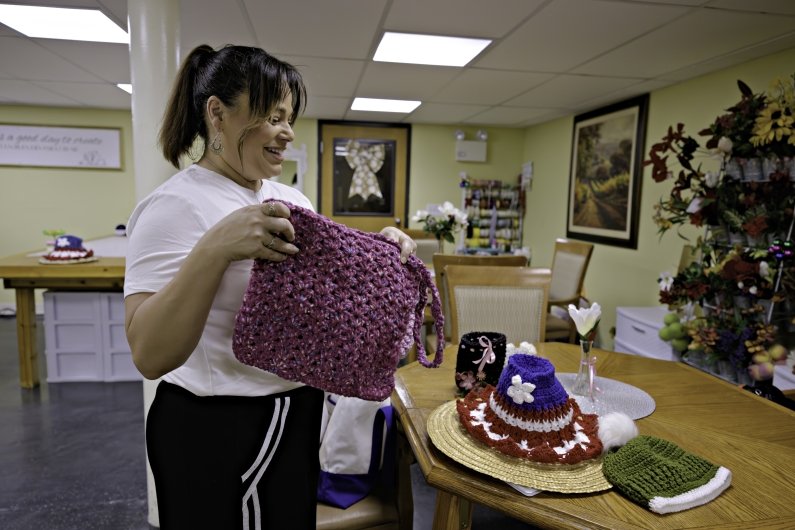
“When I found this space, it was just full of boxes,” Gonzalez said, showing crafts that center attendees are creating for the Woonsocket Puerto Rican Festival in August. “Boxes of yarn were just sitting for years. I am grateful to Ryan and the board for allowing us to create this space.”
Harvesting more than plants
The garden has quickly become a valued part of the center. “El Jardín has been a really excellent addition to what we do. Even people who don’t garden are impressed,” MacLeod said.
The program helps open doors for people who might otherwise stay on the sidelines. “It’s for everyone, but especially for those unable to participate in the more active activities. The biggest impact is on people who rarely try new activities because traditional programming doesn’t accommodate their needs,” MacLeod said.
Every Friday morning, Aging Well hosts its main gardening class in collaboration with Open Farms Retreat, a 2-acre farm in Cumberland that educates about sustainable farming practices and returns 85% of the produce it grows back to Woonsocket.
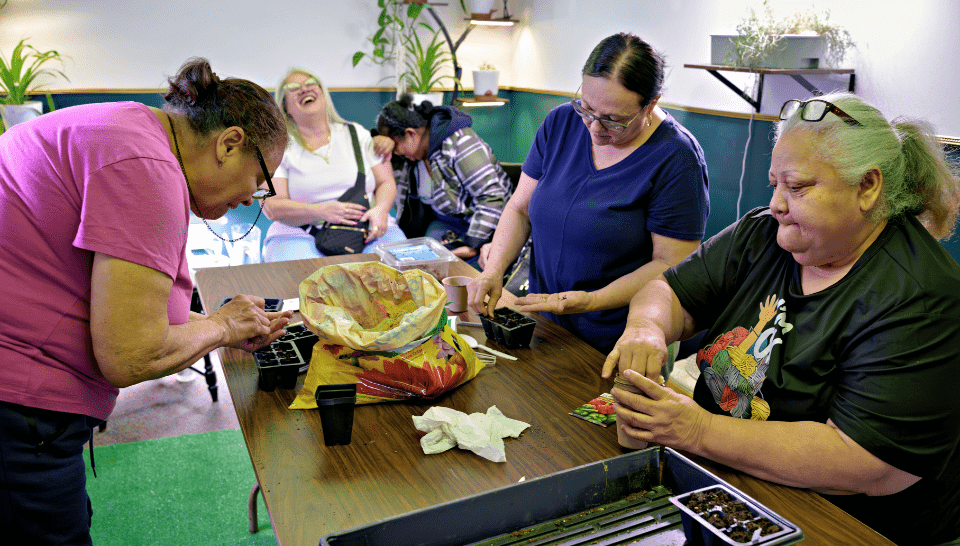
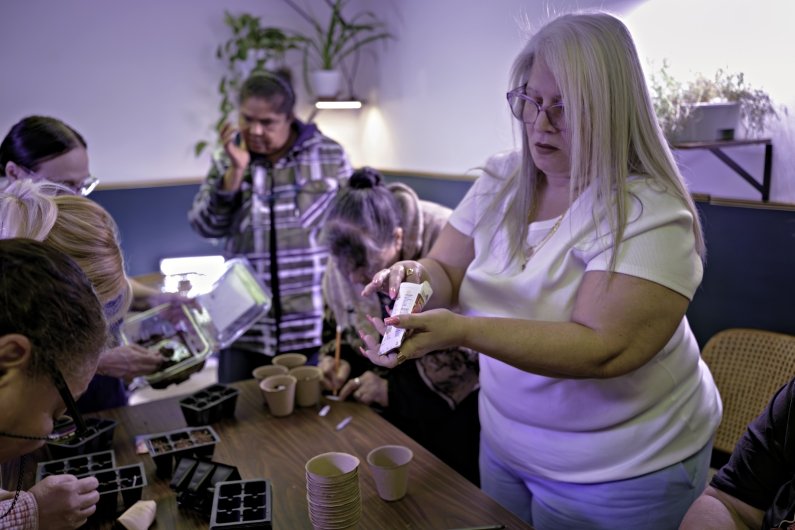
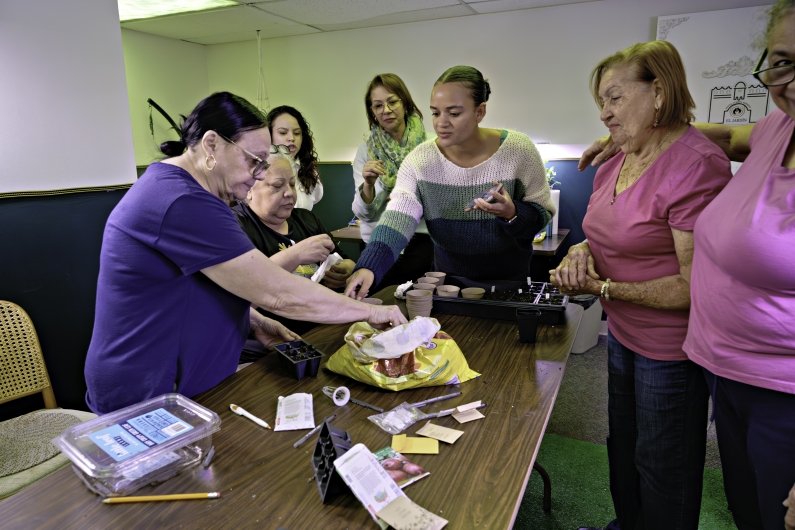
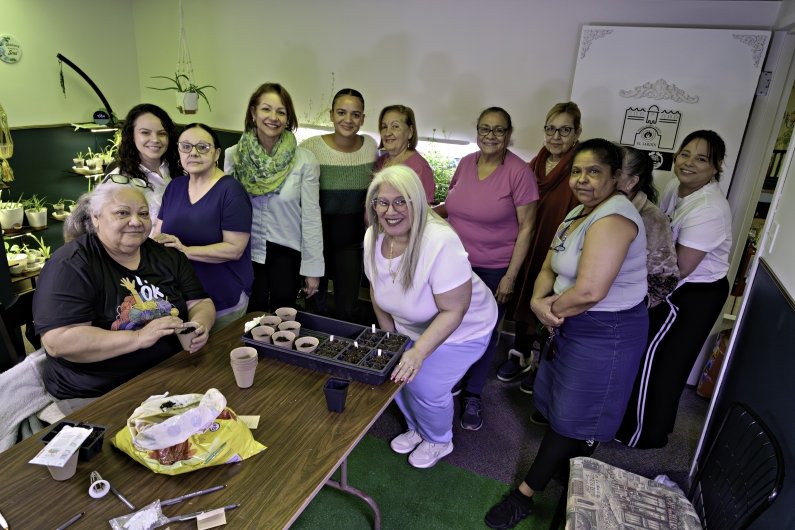
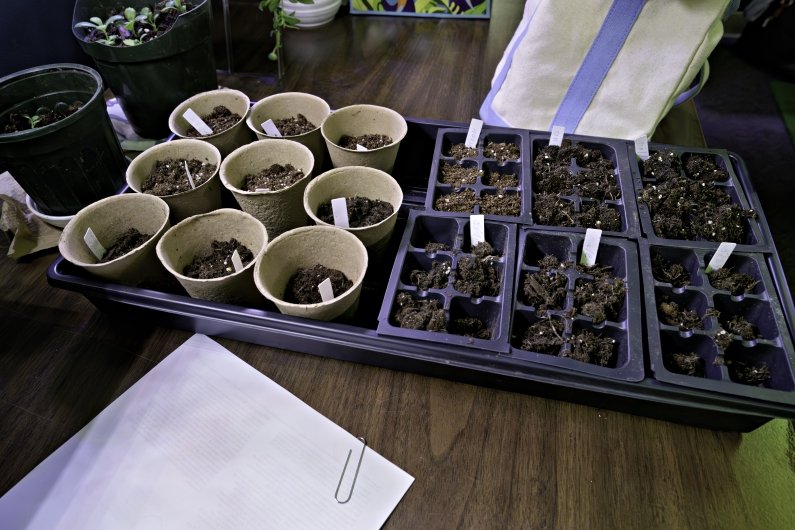
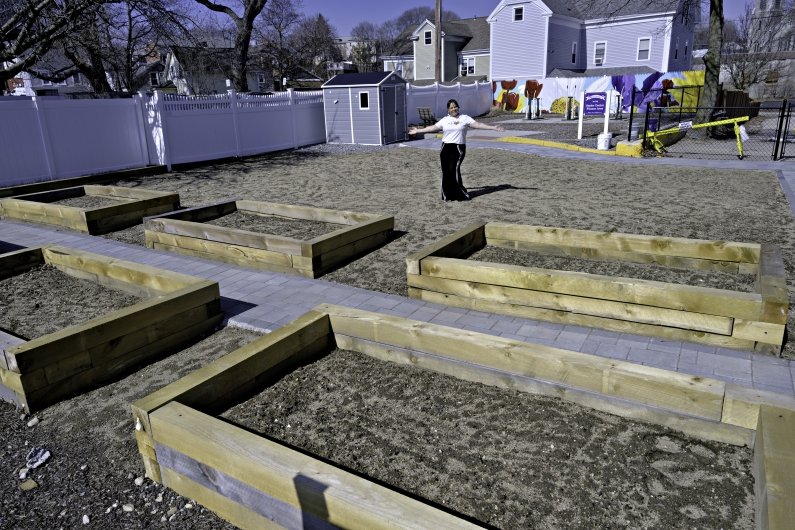
On one recent Friday, Sienna Viette was leading participants in planting red peppers, eggplant, marigolds, kale, parsley and onion seeds to eventually transfer to outdoor beds. Aging Well expects to add some wheelchair-height beds to the six low beds already in place.
“Sienna is a gift to our community,” Gonzalez said. “Without her, the program wouldn’t be what it is. We had no funding and she said, ‘Oh, sure’ and she’s been so generous with her time and materials.”
Viette also has worked with participants to create products including soaps, tinctures, mouthwash, teas and balms from the herbs grown hydroponically in El Jardín.
“It’s been fun,” Viette said. “I feel like it’s a well-rounded program.”
Growing community
Beyond the structured Friday sessions, people use the space for drop-in activities: tending plants, harvesting herbs or sitting in a calm environment.
“Participants with memory issues respond strongly to familiar scents – smelling cilantro or basil can trigger meaningful associations. People who typically keep to themselves will start conversations about cooking or childhood recipes when they’re working with the plants,” MacLeod said.
While gardening provides sensory and therapeutic benefits, it also brings people together. “Gardening together is naturally social,” MacLeod said. “We’ve seen participants who are typically reserved open up while tending plants side by side. Some come with a spouse or neighbor, and casual conversations develop around recipes or gardening tips.”
For Spanish-speaking participants, the combination of familiar plants and language support helps create a welcoming environment. The space has encouraged connections across language differences.
“We’ve seen English-speaking participants enter the space and naturally begin conversations with Spanish speakers about food and family,” he said. “It happens organically through shared activity, not forced interaction. The plants serve as conversation starters, turning isolation into community.”
Building accessible spaces through partnership
MacLeod said partnerships played a major role in the project’s success. “The Sherlock Center and Open Farms Retreat allowed us to do this. Open Farms has been particularly generous with their time and expertise, consistently showing up to teach not just horticulture but practical applications.”
For organizations interested in creating more accessible programs, MacLeod has clear advice: “Start with the people you’re trying to serve. We involved potential users in planning and testing, so the space actually fits their needs. Get feedback early rather than guessing what’s needed,” he said.
Simplicity and sustainability are also key. “Think long-term. Plan how the project will be sustained with existing staff and community volunteers after funding ends.”
Above all, the message is clear: If the goal is greater access and inclusion, it is worth pursuing.
“Apply. If your project genuinely benefits people with disabilities or addresses access barriers, pursue it. Measure your impact, share what you learn and help the next organization do better.”